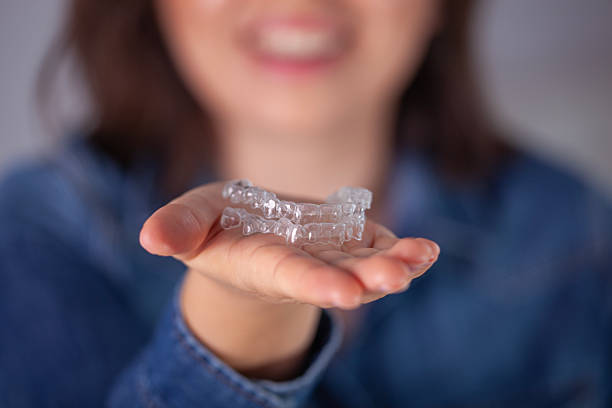
Some Invisalign patients need rubber bands because their bite correction calls for a pull between the upper and lower teeth. At Blackhawk Dental Care in Danville, CA, we look at how your teeth meet when you close and what still needs to move. Small orthodontic rubber bands, called elastics, can add a direction of force that the trays alone may not provide.
Say your teeth look straighter in the mirror, but you still feel your back teeth meet unevenly. Straightening the teeth in each arch and getting the two arches to fit together are different goals. An elastic can help with that second part in selected cases. Whether it belongs in your plan depends on the source of the bite problem and the changes your provider can make by moving teeth.
If elastics are part of your Invisalign treatment in Danville, ask us to show you where your teeth are meeting now, what the bands are meant to change, and what we’ll check before adjusting your instructions.
An orthodontic elastic stretches between two prescribed points. As it pulls back toward its original shape, it places tension on both ends. When those points are on opposite arches, the elastic can help change how the upper and lower teeth fit together. The goal might be to reduce how far the upper front teeth project or to help selected teeth come into contact.
Each tray fits over one arch and delivers forces through the surfaces it contacts. It can guide individual teeth as they turn, tip, or shift through the planned sequence. Sometimes the bite also needs a pull between the arches. That’s where an elastic may help, while the trays continue to guide the movements planned for each arch.
Two people can both say, “My bite feels off,” and need different treatment. One might have a tilted tooth that can be repositioned with trays alone. Another might need the upper and lower teeth to shift relative to each other. In personalized Invisalign treatment, the decision comes from the direction of movement needed and how the provider intends to achieve it.
An arch is the curved row of teeth in either jaw. An interarch force acts between those rows. You may see this described as an intermaxillary force. In aligner treatment, an elastic can deliver it through a feature in the tray, a button bonded to a tooth, or a combination of the two.
An angled elastic can have both a front-to-back and an up-and-down component. Change the anchor point, and you change the angle and the effect on the teeth. That’s why your provider shows you exactly where the band belongs and checks whether the teeth are responding in the intended direction.
Both ends of the elastic receive a pull. When an end connects to a tray, the tray can distribute some of that force across the teeth it covers. Your provider also considers stability: which teeth should move, which should hold their position as much as possible, and what the forces might do to the bite along the way.
The trays guide the planned movements within each arch while elastics can help coordinate the relationship between arches. Both rely on controlled Invisalign tooth movement, which your provider assesses at progress visits. The fit of the trays matters to both jobs. If you can feel a tray lift when you put a band on, tell your provider where it lifts so they can check the fit and the point where the elastic attaches.
People use “overbite” to describe several things they see when they close. Knowing which part of the bite needs attention helps explain why elastics make sense in some cases.
| Term | What your provider is describing |
| Overbite | The vertical overlap of the upper and lower front teeth. An excessive overlap is called a deep bite. |
| Overjet | The horizontal distance by which the upper front teeth sit ahead of the lower front teeth. |
| Class II bite | A front-to-back relationship in which the lower back teeth sit farther back relative to the upper teeth than expected. It can occur with increased overjet. |
Class II elastics can contribute a backward pull on the upper teeth and a forward pull on the lower teeth. Exactly which teeth move and how they move depends on the anchorage, tray design, and treatment plan. For some patients, these forces help reduce excess overjet or improve how the upper and lower back teeth fit. Our guide to Invisalign for adult bite problems explains how those goals fit into the broader evaluation.
If the main concern is too much vertical overlap, the planned correction may focus on moving selected teeth vertically and controlling where they contact. Elastics may have a role if the bite also needs a compatible pull between the arches. The word “overbite” alone gives us very little information about which forces you’ll need.
In adults, elastics primarily move teeth and change how they meet. When a substantial difference in jaw size or position is driving the bite problem, there are limits to what tooth movement alone can achieve. Your provider may recommend a specialist evaluation to discuss those limits and the available options. It helps to ask which part of the concern comes from the teeth and which comes from the jaws.
Class III describes a front-to-back bite relationship in which the lower back teeth sit farther forward relative to the upper teeth than expected. An underbite describes lower front teeth sitting ahead of the uppers when you close. The two can occur together, and the position of the teeth, the shape or position of the jaws, or a combination can contribute.
They can contribute a forward pull on the upper teeth and a backward pull on the lower teeth. In a selected case, that may help improve how the arches fit together. The provider also considers how that pull can affect tooth angles and vertical contact before prescribing it.
Moving teeth may improve how the bite fits when their position is a major part of the problem. When jaw structure is the main driver, the amount of correction available through aligners and elastics may be limited. Our article on how Invisalign affects your bite and jaw explains that distinction in more detail.
With a posterior crossbite, one or more upper back teeth sit unusually far inward relative to the lower teeth. An elastic pulling across the bite can help correct the position of selected teeth. That pull can also tip teeth or change their height in the bite. The provider checks whether those effects are compatible with the rest of the plan.
A vertical elastic can help bring selected upper and lower teeth into contact. It may be used for some open bites or to help teeth settle together as treatment progresses. Where the contact is missing, why it’s missing, and how the other teeth meet all matter to the decision.
A band chosen to improve sideways contact in a crossbite serves a different purpose from one intended to reduce excess overjet. Even two patients with similar-looking gaps may have differences in tooth position or bite contact that call for different pull directions. Your provider should be able to point out the contact they’re trying to change.
Precision cuts are features made into the tray for the elastic setup. A cut can form a hook or notch that holds an elastic, or it can give the tray clearance around a button bonded to a tooth. A hook carries the pull through the tray, which is one reason your provider checks that the plastic seats securely when the band is on.
An elastic button is a small anchor bonded to a tooth. The rubber band catches on the button itself, so the elastic applies its pull at that point. The provider chooses the anchor based on the direction of force and where it needs to act.
A hook or elastic button holds the band. The small tooth-colored shapes commonly called Invisalign attachments give the plastic a surface to grip or press against. A patient can have attachments, elastic anchors, or both. At your appointment, ask the team to show you which features you’ll actually use to place the bands.
You may notice a gentle pull or some tooth tenderness when elastics are introduced or the plan changes. That initial soreness usually eases as you adjust. The amount of pressure you feel gives your provider little information by itself about how well the teeth are moving. If soreness increases, lingers, or makes it difficult to wear the elastics as instructed, call for guidance.
You might feel a hook or button rub against a particular spot. Tell your provider whether the irritation happens mainly when the tray is in, when the elastic is attached, or even when both are out. That can help them identify whether the tray edge, bonded button, or elastic is causing it.
Your provider may intentionally prescribe a different setup on either side. If the pull suddenly changes, the tray lifts, or one side feels much more painful than expected, call to check placement and fit. Keep the prescribed arrangement until you receive guidance on any changes.
Your provider decides when to wear the bands based on the movement and the stage. The schedule may match much of your aligner wear or cover specific hours only. Ask for instructions for a typical day, including what to do at bedtime, during meals, and when you take the trays out to clean your teeth.
The elastic supplies the additional pull while you wear it. Regularly missing prescribed wear leaves less time for those forces to act. That can affect how the two arches progress relative to each other, even while the trays still appear to fit each arch. If your routine makes the schedule difficult, explain when wear tends to get interrupted.
Wear the bands overnight if your plan includes sleep hours. Follow your provider’s directions for removing the bands for meals and cleaning and for placing fresh bands afterward. If you weren’t sure how to handle a particular part of the day, get the instructions clarified before guessing.
A missed stretch reduces the time the prescribed pull is applied. Repeated interruptions may slow bite correction or leave your teeth meeting differently than expected at that stage. Tracking is how closely tooth movement follows the planned stages. A tray may still seat while the bite change that depends on elastics is lagging. If there’s also a gap or lifting, your provider will check the tray and tooth positions before drawing a conclusion.
Use only the number, strength, and arrangement prescribed. Doubling bands increases the force and may cause unwanted movement or soreness. Follow the missed-wear instructions you were given. If you’ve missed a substantial amount of wear or are unsure how to resume, ask your treating provider what to do.
Put a reminder where the interruption usually happens. If it’s after lunch, set a phone reminder or carry a spare packet of the prescribed bands with your tray case. If you’re missing wear because the bands slip or hurt, tell the office. The team can check whether there’s a problem with fit or placement.
Elastics lose some of their original force as they stretch during wear. That’s why your provider specifies when to replace them. Follow that schedule and use fresh elastics as directed, including after removal when instructed. Save the packet so you can identify the exact bands when you need more.
Bands that look similar can differ in diameter, force, or material. Use the ones your provider supplied or specifically approved, including a latex-free option if prescribed. If you run out, contact your treating office for replacements and guidance. A household rubber band or a band left over from someone else’s treatment can deliver a different force.
Elastics stretch repeatedly as you move your mouth. A band can break, especially if it has been overstretched or is worn. Follow your replacement instructions and call if it keeps happening in the same spot. Bring the packet and trays so the team can check the fit and the anchor.
The band may not be fully engaged, or the tray may shift when the elastic pulls on it. A worn or damaged hook can also be involved. If it repeatedly slips, describe when it happens and which end comes free. Leave trimming the tray or moving the elastic to another site to your provider.
If a button comes off or a hook breaks, ask your provider how to handle elastic wear while it’s repaired. Call if you develop unexpected pain or a sudden change in how your teeth meet, especially if the tray has started lifting. Those details help determine whether the team should check the appliance, the bite, or both.
When a band pulls on a tray hook, it relies on the tray staying in position. If the tray lifts, the pull may act differently from what was planned, and the plastic may lose contact where it needs to guide a tooth. Tell the provider if the tray seats on its own and shifts only after the band goes on. That’s useful information about when the fit changes.
At a progress check, your provider can inspect the hardware, check how the tray sits with the bands in place, check which teeth touch when you close, and compare those findings with the stage in your treatment plan. As those contacts change, the role of the bands can change too. Ask what the team needs to see before they can change your elastic schedule.
Some patients use elastics during a particular phase. Others wear them through multiple stages while the provider continues to guide the bite. Timing depends on the treatment goals, your response, and how consistently you can follow the prescribed schedule.
Your provider may change or stop elastics while you still have trays left. Ask which bite contacts or tooth positions they’re watching. A change in how snug the bands feel or how straight your teeth look is a reason to ask about progress. Wait for specific instructions before changing when or how you wear them.
Elastics provide a pull between attachment points. Invisalign bite ramps are raised features built into certain trays that change where teeth contact when you close. For example, a ramp behind the upper front teeth can provide a contact for the lower front teeth that temporarily keeps the back teeth apart while the trays are in.
Some plans use both. A ramp may manage where the teeth touch during wear while an elastic supplies an additional front-to-back pull. Your provider can show you which contact the ramp changes and which part of the bite the band is intended to guide.
Dr. Brian Adams looks at where your teeth touch when you close, how the front teeth overlap, and how the back teeth fit. He also considers how much of the problem is coming from tooth position and how much comes from jaw structure. If you notice you chew mostly on one side or one tooth hits first, share that during the evaluation.
Digital scans and bite records help show the starting positions. The provider then decides what should move at each stage, whether an elastic would help, and how its anchors should work with the tray. Follow-up visits tell us whether the intended changes are happening. We can show you which contacts have changed and explain why we’re continuing or adjusting the plan.
If the goals depend on more movement than aligners and elastics can predictably provide, or if there’s a significant skeletal difference, Dr. Adams may suggest an orthodontic evaluation. That conversation can help you understand the changes each treatment option can reasonably offer for your bite.
Your provider may prescribe them to add a specific pull between the upper and lower teeth. Ask which part of your bite that pull is meant to change.
Many patients use aligners without elastics. The decision depends on how your teeth meet and what movements your treatment calls for.
They can contribute to some bite corrections, especially when excess overjet or a Class II relationship is involved. Treatment for a deep vertical overlap depends on what’s causing it.
Class III elastics may improve selected underbites by helping change tooth positions. Significant differences in jaw size or position may call for other treatment options.
Some pressure or tenderness is common at first. Call if pain is sharp, worsening, or makes it difficult to follow your wear instructions.
Use the schedule your provider prescribed for the bands. Confirm those hours separately from your tray wear instructions.
Yes, if overnight wear is part of your plan. Ask your provider if your instructions are unclear about bedtime.
Use the missed-wear guidance from your provider and ask how to resume if you’re unsure. Repeated gaps can slow the part of treatment that depends on the elastic pull.
No. More bands change the prescribed force and can affect teeth your provider intends to keep stable.
Rubber bands stretch between designated anchor points. Attachments are bonded shapes that help trays grip and guide teeth.
The elastic may be slipping out of its anchor, the hook could be damaged, or the tray could be moving. Show your provider which end slips and whether the tray lifts at the same time.
It depends on which bite change the elastics are intended to help achieve. Your provider will reassess their role as your contacts change.
At Blackhawk Dental Care, a personalized bite evaluation starts with how your teeth come together and what you’d like to change. If elastics could help, Dr. Brian Adams can show you what their pull would do, where they would attach, and how consistent wear fits into your adult clear aligner treatment. Their strength, placement, and schedule depend on the movement your bite needs.
Already wearing elastics? Ask your treating provider if you’re unsure where they go, how long to wear them, or whether a change in pressure is expected. If you’re considering clear aligners, schedule an Invisalign consultation in Danville, CA to talk through what you’re noticing and the options for your bite.