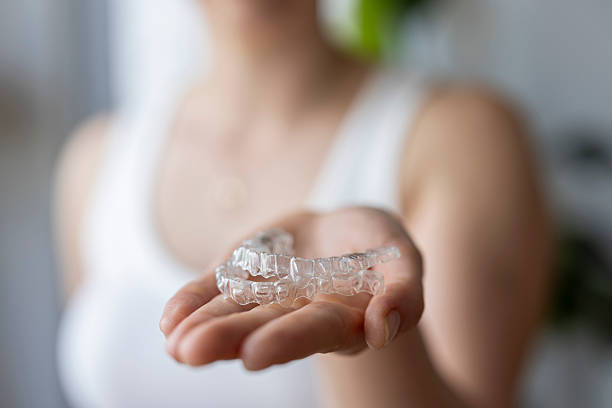
Having gum disease does not automatically rule out Invisalign, but active or uncontrolled disease generally needs treatment before teeth are moved. At Blackhawk Dental Care in Danville, CA, discussing your gum health is an important part of exploring whether clear aligners could be appropriate for you.
The answer depends partly on what “gum disease” means in your case. Gingivitis involves inflammation of the gums without the loss of tooth attachment that defines periodontitis. Periodontitis affects the tissues that support your teeth and can destroy supporting bone. Because Invisalign moves teeth through those structures, their condition matters throughout treatment.
Some people with successfully treated periodontitis can pursue orthodontic care, even with reduced bone support. Eligibility depends on disease stability, tooth mobility, daily cleaning habits, and the movements needed to reach their goals. A clinical assessment helps determine whether treatment can begin, should wait, or needs specialist coordination. If you are considering Invisalign in Danville, CA, understanding that sequence can help you plan your next step with greater confidence.
You may be a candidate once inflammation is controlled and your remaining tooth support can accommodate the proposed movements. However, gingivitis and periodontitis create different starting points. Understanding the stages of gum disease helps explain why one patient may need a relatively straightforward reassessment while another needs coordinated care.
Plaque-related gingivitis occurs when bacterial buildup irritates the gums, causing bleeding, swelling, or tenderness. It does not involve the attachment loss that defines periodontitis and can often be reversed with professional cleaning and effective daily care.
Your dentist will assess the extent of inflammation and help you address it before starting aligners. A small area of gingivitis does not carry the same implications as widespread inflammation with damaged support, but both deserve attention before treatment begins.
Possibly. A history of periodontitis is different from disease that is currently progressing. Treatment may leave a tooth with less supporting bone while controlling inflammation and establishing a stable condition.
That remaining support must be evaluated before prescribing tooth movement. Patients also need ongoing periodontal maintenance because successful treatment does not remove their susceptibility to recurrence. Previous treatment is useful history; current stability is what helps guide the next decision.
With uncontrolled periodontitis, the tissues supporting a tooth may already be breaking down. Applying orthodontic forces in that environment can increase the risk of further damage. Ongoing attachment loss, increasing looseness, or persistent inflammation may therefore delay treatment or change its goals.
Invisalign cannot control the disease causing those changes. Periodontal treatment and reassessment come first so the provider can judge whether movement is appropriate.
The visible gumline is only part of a tooth’s support system. Beneath it, the root is connected to surrounding bone by living tissue. Orthodontic treatment relies on a coordinated response within that system, which is why a tooth’s appearance alone cannot establish whether it is ready to move.
The periodontal ligament is a thin layer of connective tissue between the tooth root and its bony socket. Alveolar bone is the jawbone surrounding and supporting the roots.
Aligners apply planned forces to teeth. Those forces act through the ligament and trigger bone remodeling: bone is removed in some areas and formed in others as the tooth changes position. Our guide to how Invisalign treatment works explains the broader treatment process.
When supporting bone has been lost, the same force can affect a tooth differently. There is less supported root surface, and the tooth may be more prone to tipping unless the mechanics are carefully controlled.
The provider considers the amount and distribution of remaining bone, root position, and intended movement. Bone loss does not automatically prevent orthodontics, but it changes how the potential benefits and risks are weighed.
Teeth naturally have a very small amount of movement within their ligaments. Clinically noticeable looseness requires a different level of assessment, particularly when it is new or increasing.
Possible contributors include reduced periodontal support, inflammation, injury, and excessive bite forces. Your dentist needs to identify the cause and degree of mobility before adding orthodontic force. Unplanned drifting or loosening is different from monitored movement within an orthodontic plan.
Changing a tooth’s position does not, by itself, rebuild the attachment or bone lost to periodontitis. The bone remodeling that allows orthodontic movement should not be confused with restoring previously destroyed periodontal support.
Selected patients may benefit from separate regenerative or gum procedures, but those decisions require their own assessment. A straighter smile still needs care based on its periodontal history.
Tell your dentist about symptoms even if they come and go or do not hurt. You can describe what you notice at home; pocket measurements, attachment levels, and bone changes require professional evaluation. Neither a photograph nor the absence of pain can confirm that your gums are ready for aligners.
Bleeding can signal inflammation along the gumline. It does not prove that you have advanced periodontitis, and irritation from cleaning technique can also contribute.
Repeated bleeding deserves an examination rather than an assumption that it is normal. Explain where it happens, how often you notice it, and whether it began recently. Your dentist can assess the tissues and help you clean effectively without unnecessary trauma.
Plaque accumulating near the gumline can trigger an inflammatory response that leaves gums swollen or sore. Tenderness may also make brushing and interdental cleaning uncomfortable, allowing more buildup to remain.
Addressing that cycle before aligners helps establish a manageable daily routine. If you are avoiding a painful area, mention it so your dental team can identify the cause and demonstrate a comfortable approach to cleaning.
Recession means the gum margin has moved away from its usual position, exposing more of the tooth or root. It can be associated with periodontitis, thin tissues, tooth position, or traumatic brushing.
Existing recession deserves assessment because tissue thickness and root position can influence orthodontic planning. Invisalign does not universally cause or prevent recession, and exposed roots do not establish the underlying cause on their own.
New spaces, drifting teeth, or a bite that suddenly feels different may reflect changes in tooth support. Persistent bad breath can also accompany gum disease.
These symptoms have other possible causes, including decay, dry mouth, injury, or grinding. Arrange an assessment rather than choosing aligners as a way to correct unexplained shifting. The reason teeth have moved needs to be understood before further movement is planned.
An evaluation begins with your medical and dental history, including previous periodontal treatment, maintenance visits, medications, tobacco use, and conditions such as diabetes. Next comes an examination of the gums and supporting structures, followed by consideration of your alignment goals.
The findings help determine whether Invisalign treatment in Danville, CA is appropriate now, requires preparation, or calls for specialist input. Depending on your needs, the assessment may include the following.
A periodontal probe measures the space between the gum and tooth. Your provider records pocket depths and looks for bleeding during gentle probing, along with evidence of attachment loss.
Pocket depth alone is not an Invisalign eligibility test. Swollen gums and previously treated tissues can produce different clinical situations, so measurements must be interpreted alongside recession, inflammation, history, and other findings.
Appropriate dental X-rays can help show bone levels around tooth roots and identify other findings relevant to treatment. Comparison with previous images, when available and suitable, may help assess changes over time.
Imaging is selected according to clinical need and existing records. Not every patient needs the same images, and a three-dimensional scan is not automatically required because someone has a history of gum disease.
The examination brings together tooth mobility, the position of the gum margin, plaque buildup, and signs of inflammation. These findings help establish a baseline for later comparison.
A tooth may have reduced support without active disease, while another may look relatively normal yet have deeper periodontal problems. No single sign establishes overall stability or determines whether Invisalign is suitable.
The provider then considers what correcting your smile would actually require. Rotating a tooth, changing its root position, and moving it outward place different demands on its support.
An acceptable movement for one patient may need modification in another. This is one reason why Invisalign treatment differs for every patient. Periodontal findings may influence the treatment goals as well as the appliance selected.
If active disease is present, treatment generally comes first. The usual sequence is to establish a diagnosis, manage inflammation and infection, reassess the response, and then decide about orthodontics. Learning about periodontal disease treatment in Danville can help you understand the options your dentist discusses.
Orthodontic movement introduces forces into tissues that need to respond predictably. Uncontrolled periodontal inflammation makes that environment less stable and can allow further attachment damage.
Treating the disease first also gives your provider a clearer picture of the remaining support. The reassessment helps separate problems that improve with inflammation control from limitations that still need to shape your treatment plan.
A routine preventive cleaning removes plaque and hardened deposits from accessible tooth surfaces and helps support healthy gums. It is not a substitute for treatment of diagnosed periodontitis.
When indicated, scaling and root planing addresses deposits on root surfaces beneath the gumline. Some patients need additional periodontal care. The diagnosis determines the treatment; wanting Invisalign does not automatically mean you need a “deep cleaning.”
There is no universal waiting period. Timing depends on the type of therapy, healing, remaining inflammation, periodontal measurements, and your ability to maintain plaque control.
Your provider needs evidence that treatment has reached appropriate endpoints, rather than simply confirmation that an appointment was completed. After more involved procedures, the periodontist and orthodontic provider may coordinate the timing around the specific healing needs.
A periodontist specializes in the tissues supporting the teeth. Consultation may be appropriate for significant bone loss, persistent deep pockets, complicated recession, uncertain stability, or concerning mobility.
Specialist involvement can clarify whether additional care is needed and which movements are reasonable. It can also establish who will monitor the periodontal condition during orthodontics. A referral is a way to answer those clinical questions before proceeding.
Sometimes, but these findings need separate consideration. Recession describes the position of the gum margin; periodontal bone loss describes reduced bony support around roots. They may occur together, but neither tells the entire story. The provider must understand the cause, severity, and stability of each finding.
Existing recession is not an automatic reason to exclude aligners. Your provider considers whether the recession is progressing, how much tissue is present, whether inflammation remains, and where the root sits within the surrounding bone.
The direction of proposed movement also matters. Some patients need periodontal advice before orthodontics, while others can proceed with monitoring. Gum grafting is not a prerequisite for every patient with recession.
Selected patients with stable periodontal conditions can undergo orthodontic treatment despite reduced support. However, successful treatment of inflammation does not make every tooth suitable for every movement.
The plan may need adjusted forces, different movement goals, or another appliance. A clinician must determine whether Invisalign offers adequate control for the case and whether the anticipated benefit justifies the remaining risks.
The bone around tooth roots has anatomical limits. Moving a root toward or beyond a thin outer bony boundary can compromise its surrounding tissues and contribute to recession in susceptible areas.
For that reason, making the visible teeth look straighter is only part of planning. Root position and available support also need consideration, especially when correcting crowding would involve moving teeth outward.
Improved alignment may make some previously overlapping surfaces easier to reach with a toothbrush or interdental cleaner. That practical benefit depends on the original crowding and the final tooth positions.
Easier access still requires consistent cleaning. Aligning teeth does not eliminate bacterial plaque, cure periodontitis, or replace professional maintenance. Periodontal disease must be managed before considering easier cleaning as a potential benefit of orthodontics.
There is no single aligner protocol for everyone with previous periodontal treatment. The provider uses your remaining support, treatment goals, and response to care to guide decisions. Before starting, ask how progress will be monitored and which findings would prompt a change in the plan.
Reduced support can change how a tooth responds to force. The provider may limit certain movements or modify the mechanics needed to control the tooth and its root.
More conservative planning does not necessarily mean the same extra number of months or a standard change in aligner wear. Movement limits, force choices, and treatment timing need to be prescribed for the individual case.
Aligner tracking describes how well teeth are following the planned movement and fitting their trays. Periodontal monitoring asks a separate question: are the supporting tissues remaining stable?
That may involve reassessing inflammation, bleeding, pocket measurements, mobility, and cleaning effectiveness. A tray that fits well does not establish periodontal health. Both types of monitoring matter when there is a history of disease.
When more than one provider is involved, shared findings help keep treatment decisions consistent. The Invisalign provider needs to know about periodontal changes, and the periodontist needs to understand which movements are planned.
If restorative work is also needed, the general or restorative dentist may participate. Appointment schedules should make room for the care each provider recommends rather than allowing aligner visits to displace periodontal follow-up.
Contact your provider if you notice persistent bleeding, swelling, recession, or increasing looseness. The response depends on whether the problem involves plaque-related gingivitis, appliance irritation, recurrent periodontitis, or another cause.
Care may include cleaning instruction, professional treatment, or clinician-directed changes to orthodontics. If periodontitis recurs, active movement may need to pause while stability is reestablished. Ask for specific wear instructions; do not independently change trays or alter your prescribed schedule.
Daily plaque control and scheduled professional care remain central throughout treatment. If crowded teeth, recession, or dexterity problems make cleaning difficult, ask your dental team to help you choose a technique you can use consistently. The most useful routine is one that reaches the areas where buildup remains.
Dental plaque is a bacterial biofilm that forms on tooth surfaces. When it accumulates around the gumline, it can trigger inflammation. Plaque that hardens into tartar requires professional removal.
Aligners do not protect teeth from this buildup. Pay attention to the gumline and hard-to-reach areas even when your teeth appear clean from the front.
Brush twice daily with fluoride toothpaste and clean between teeth every day. Use gentle pressure and a technique that reaches the gumline without scrubbing the tissues.
Floss, appropriately sized interdental brushes, or other recommended tools can help clean areas a toothbrush misses. The best choice depends on your spaces, exposed roots, and ability to use the tool comfortably. Ask for a demonstration if an area remains difficult.
Remove aligners for meals and clean your teeth as directed before replacing them. Reinserting trays over food debris leaves that material against tooth surfaces and makes it harder to maintain a clean environment.
Clean the aligners according to the instructions provided as well. If work or travel makes your routine difficult, discuss a practical plan that supports both hygiene and prescribed wear time.
Periodontal maintenance follows treatment for periodontitis and includes professional care and reassessment based on your risk. Its timing may differ from a routine preventive cleaning schedule.
These appointments continue to serve a purpose even when you regularly attend aligner checks. Your providers should individualize the interval and coordinate visits so changes in gum health can be identified during treatment.
For patients with gum concerns, the appliance decision involves both cleaning access and control of tooth movement. Our guide to Invisalign compared with traditional braces covers the broader comparison. Periodontal history adds another layer to that decision.
Removing aligners gives you direct access for brushing and interdental cleaning. Fixed brackets and wires require cleaning around additional surfaces and may need special tools.
That convenience can help, but it depends on daily habits. Aligners still need consistent prescribed wear, clean trays, and effective tooth cleaning. Removability alone does not ensure better gum health.
No. Some movements and complex periodontal cases may be better managed with fixed appliances. Guidance for severe periodontitis includes situations in which fixed appliances are suggested over removable options, although comparative evidence is limited.
The choice depends on periodontal stability, movement requirements, remaining support, and clinical judgment. Neither appliance makes uncontrolled periodontitis an appropriate setting for elective tooth movement.
Possibly, but bleeding should be assessed first. It may reflect gingivitis or another source of irritation, and it does not automatically mean you have periodontitis. Your dentist will evaluate the cause, check the supporting tissues, and determine whether inflammation needs treatment before aligners are prescribed. Share the symptom even if it is occasional.
Some people with treated, stable periodontitis can receive Invisalign. Active or uncontrolled disease generally needs management first. Eligibility also depends on remaining bone support, tooth mobility, cleaning habits, and the movements required. A periodontal history may mean closer monitoring or specialist coordination, and some cases are better suited to a different orthodontic approach.
Only if your periodontal diagnosis calls for it. Scaling and root planing treats indicated periodontal problems beneath the gumline; it is different from a routine preventive cleaning. An Invisalign consultation does not automatically create a need for deep cleaning. Your examination determines the appropriate treatment and whether reassessment is needed before orthodontics begins.
Orthodontic movement can increase concern when periodontitis is uncontrolled, and inadequate cleaning during treatment can allow inflammation to develop. Invisalign does not inherently cure or prevent those problems. Disease control before movement, effective daily hygiene, and ongoing periodontal monitoring help manage risk. Report new symptoms promptly so your provider can evaluate them and direct any changes.
Sometimes. Reduced bone support does not automatically prevent tooth movement, but it affects how forces should be planned and controlled. The disease needs to be stable, and the remaining support must be suitable for the proposed movements. Your provider may recommend modified goals, specialist involvement, or another appliance after examining the affected teeth.
Improved alignment may make some areas easier to clean, which can support plaque control. It does not guarantee prevention or remove the risk of recurrent periodontitis. Daily brushing, interdental cleaning, management of relevant risk factors, and professional care remain necessary. Patients previously treated for periodontitis generally need ongoing maintenance even after their teeth are straightened.
Invisalign does not reliably regrow receded gums. It changes tooth position, while recession involves the gum margin and may require separate management. Your dentist or periodontist can assess the cause, tissue condition, and whether any additional treatment is appropriate. Do not assume that closing a gap or straightening a tooth will restore lost gum coverage.
Yes, when your providers determine that active orthodontic treatment remains appropriate. Maintenance can continue alongside Invisalign and may be an essential part of keeping the condition stable. Follow the individualized appointment schedule and cleaning instructions you receive. If examination findings change, the periodontal and orthodontic providers may need to review the movement plan together.
A professional examination is needed. Your provider evaluates inflammation, periodontal measurements, recession, mobility, and supporting bone when imaging is indicated. Those findings are considered alongside your history and intended tooth movements. Gums that feel comfortable or do not visibly bleed are not enough to confirm readiness, especially if you have previously been treated for periodontitis.
A history of gum disease can raise understandable questions about straightening your teeth. The next step is to learn whether the condition is stable and what your remaining support can accommodate. That assessment helps establish realistic goals and identify any care needed before tooth movement begins.
At Blackhawk Dental Care in Danville, CA, you can discuss your periodontal history and Invisalign goals during a consultation. Bring any information you have about previous deep cleanings, periodontal procedures, or maintenance visits, and mention symptoms you have noticed at home. Together, those details help inform the conversation about treatment suitability and next steps.